Future-Proofing Multi-Cloud Security and Compliance
As multi-cloud adoption becomes the backbone of modern enterprise IT strategy, organizations are confronted with a complex security and compliance landscape. Managing workloads across multiple cloud providers introduces unique risks and regulatory demands, requiring businesses to rethink their approach to cybersecurity. This shift isn’t just about adding more tools it’s about building a proactive, scalable, and future-ready framework to safeguard critical systems and sensitive data.
The Growing Security Challenges of Multi-Cloud
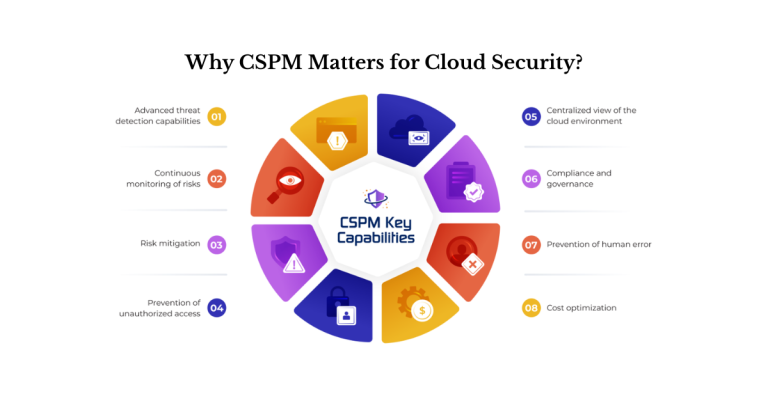
While multi-cloud delivers flexibility and resilience, it also multiplies potential vulnerabilities. Disparate platforms often create blind spots that attackers can exploit, and inconsistent security controls across providers can lead to misconfigurations. According to recent cloud security studies, misconfiguration remains a leading cause of breaches, with multi-cloud environments especially at risk. Organizations now need unified policies, centralized visibility, and stronger identity management to keep up.
Advanced Identity and Access Management (IAM)
Identity is the new perimeter in multi-cloud security. The growing adoption of cloud-native services, SaaS platforms, and containerized workloads means traditional perimeter defenses are no longer enough.
Key strategies include:
-
Zero Trust Models: Adopting a zero trust architecture ensures that no user or workload is implicitly trusted, reducing attack surfaces across multiple providers.
-
Federated Identity Systems: Integrating identity providers across cloud vendors simplifies authentication while maintaining granular access control.
-
Privileged Access Management (PAM): Securing administrative accounts and implementing just-in-time (JIT) access reduces insider risks and human error.
Tackling Regulatory Complexity
Operating in a multi-cloud ecosystem brings an added layer of complexity when it comes to compliance. Organizations may need to meet multiple regulatory frameworks simultaneously, such as GDPR, CCPA, and sector-specific mandates like HIPAA or PCI-DSS. Cloud providers typically operate under shared responsibility models, but businesses remain accountable for compliance regardless of where workloads run.
Modern compliance solutions emphasize:
-
Automated compliance reporting and evidence collection.
-
Continuous monitoring for configuration drift and policy enforcement.
-
Standardized security baselines across all cloud vendors.
By aligning security controls with frameworks like ISO/IEC 27001 or NIST, organizations can create a repeatable compliance strategy that scales with multi-cloud adoption.
AI and ML-Driven Threat Detection
As threat actors become more sophisticated, traditional monitoring systems can no longer keep up. AI and machine learning models are playing a key role in detecting anomalies, identifying patterns of malicious behavior, and predicting threats before they escalate. In multi-cloud environments, AI-driven tools enable:
-
Cross-platform telemetry collection and analysis.
-
Faster response to zero-day vulnerabilities.
-
Adaptive threat modeling that evolves with organizational growth.
Building a Future-Ready Security Posture
Future-proofing multi-cloud security is not a one-time project—it requires continuous adaptation. Here’s how leading enterprises are staying ahead:
-
Unified Security Operations: Consolidating security management into a single dashboard for multi-cloud visibility.
-
Infrastructure as Code (IaC) Security: Embedding security controls directly into IaC templates to minimize misconfiguration risks.
-
DevSecOps Integration: Making security part of every development pipeline ensures vulnerabilities are detected early.
-
Cloud-Native Security Tools: Leveraging provider-specific services, like AWS GuardDuty or Azure Security Center, while integrating them into a centralized security framework.
The Road Ahead
Organizations that succeed in future-proofing multi-cloud security and compliance will not only reduce risks but also unlock competitive advantages. Proactive security strategies, supported by automation and intelligent analytics, will allow businesses to scale confidently while meeting regulatory requirements in an evolving digital ecosystem.