Blog_Endpoint Security 2.0 Managing Devices in the Age of Hybrid Work

Endpoint Security 2.0: Managing Devices in the Age of Hybrid Work

Introduction: A Borderless Workforce Demands Borderless Security The modern workplace has transformed beyond recognition. The days of all employees working within the same office network—protected by a corporate firewall are long gone. Today’s workforce is distributed, mobile, and hybrid. Employees access critical business systems from home offices, airports, client sites, and public spaces, using a…
Cybersecurity in the Middle East: Protecting Businesses in the Digital Age

Cybersecurity in the Middle East: Protecting Businesses in the Digital Age

Digital transformation across the Middle East has accelerated rapidly cloud adoption, smart cities, IoT in oil & gas, fintech growth and government digitization are reshaping economies. That progress brings productivity and new services, but also a rapidly evolving cyber threat surface. This blog explains the regional threat landscape, sector-specific risks, practical defenses, governance needs, and…

Why SOC Modernization is Non-Negotiable in 2025

Why Security Operations Center (SOC) Modernization Is Non-Negotiable in 2025?

Introduction As we enter 2025, cybersecurity is no longer a background IT function it is a critical pillar of business continuity, brand reputation, and national resilience. The digital transformation wave that began years ago has now reached a point where almost every process, transaction, and interaction is connected. While this has accelerated innovation, it has…

AI_Future of Cybersecurity

AI-Powered Cyber Threats and Defenses: The New Battlefield of Digital Security

The cybersecurity battlefield has entered a new era one driven by intelligence, automation, and adaptation. Artificial intelligence, once a tool for digital transformation, is now a central force shaping both the offensive and defensive sides of cyber warfare. Attackers leverage it to craft advanced, evasive, and highly targeted threats, while defenders use it to predict,…

zero-trust-security-stealthlabs

Zero Trust Architecture Adoption: What It Takes to Secure Modern Enterprises?

What Is Zero Trust Architecture? Zero Trust Architecture (ZTA) is a security framework built around the idea that no user, device, or network segment should be trusted by default even if already inside the enterprise perimeter. Every access request must be continuously verified, based on identity, device health, behavior, and context. Components typically include: Identity…

Cybersecurity in the GCC – Building Digital Resilience

Cybersecurity in the GCC – Building Digital Resilience

Introduction As the GCC continues its rapid digital transformation, the region faces escalating cybersecurity challenges. Critical sectors such as energy, finance, and government are prime targets due to their economic and strategic importance. With cyberattacks becoming more sophisticated and frequent, regional leaders are prioritizing national cybersecurity strategies, Zero Trust frameworks, hybrid cloud security, and DevSecOps…

Cybersecurity

Modern Cyber Threats: Cloud Vulnerabilities, Deepfakes, and Supply Chain Attacks

In today’s interconnected digital world, cyber threats are not only more sophisticated—they’re evolving faster than ever. As organizations embrace cloud infrastructure, rely on digital supply chains, and navigate a media-rich environment, new risks are emerging that challenge even the most robust cybersecurity frameworks. This blog explores three of the most concerning modern cyber threats: Cloud…

Post-Quantum Cryptography

Preparing for the Quantum Threat – Transitioning to Post-Quantum Cryptography

Introduction: Why Post-Quantum Security Matters Now Quantum computing is poised to upend many areas of modern technology, but none more immediately and profoundly than cybersecurity. As quantum systems edge closer to practical implementation, the cryptographic algorithms that underpin today’s digital security—from SSL certificates to blockchain—are facing obsolescence. This has sparked a race to develop and…

cloud-security-posture-management

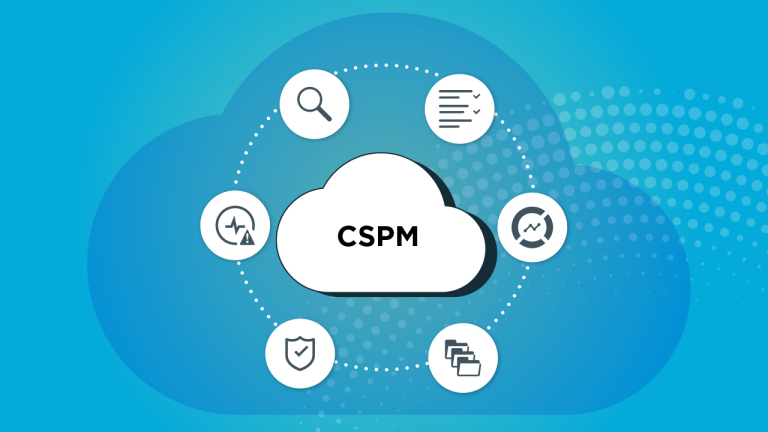
Cloud Security Posture Management (CSPM): Why It’s Critical in Multi-Cloud Environments?

As enterprises rapidly shift toward multi-cloud environments to achieve agility, scalability, and operational efficiency, a new set of challenges has emerged — and security is at the top of that list. Cloud Security Posture Management (CSPM) has become a critical framework for safeguarding digital assets across diverse cloud platforms. But why is it so essential…